Title: Nanotechnology-Enabled Energy Efficient Electronics.
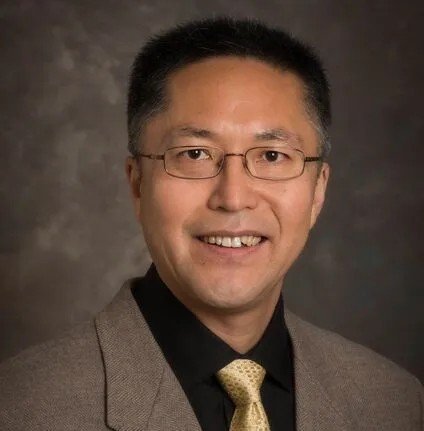
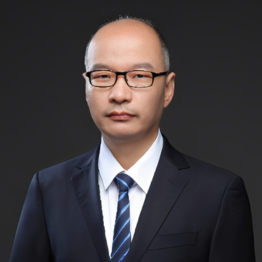
Dr. Bingqing (B. Q) Wei is currently a Full Professor in the Department of Mechanical Engineering at the University of Delaware. He was an Assistant Professor in the Department of Electrical & Computer Engineering and Center for Computation & Technology at Louisiana State University from 2003 to 2007. He had worked as a research scientist at Rensselaer Polytechnic Institute, Department of Materials Science and Engineering and Rensselaer Nanotechnology Center from 2000 to 2003.
Dr. Wei was a visiting scientist for Max-Planck Institut für Metallforschung, Stuttgart, Germany in 1998 and 1999. From 1992 to 2001, he was a faculty member at Tsinghua University in Beijing, where he received his Bachelor’s degree (1987), M.S (1989), and Ph.D. (1992) in Mechanical Engineering.
Dr. Wei’s research interest and expertise lie in nanomaterials and nanotechnology. His research interests have been focusing on the synthesis, processing, characterization, and physical properties of carbon nanostructures, carbon nanotube nanocomposites, and applications of carbon nanostructures in energy conversion and storage devices. His scholarly achievements in nanomaterials and nanotechnology are adequately reflected by his 365 papers published in refereed international journals, 122 scientific conference presentations, and 230 invited talks and seminars in academia and industry worldwide. His research work has been cited more than 35500 times by peer scientists with an h-index of 96 (Web of Science) (more than 45200 times with an h-index of 106 on Google Scholar). Dr. Wei is among the Highly Cited Researchers from Clarivate for his research on nanomaterials that enable energy conversion and storage. A Fellow of the Royal Society of Chemistry, he is the inaugural Field-Chief-Editor of Frontiers in Nanotechnology.
Talk: MXene based Materials for Energy Storage Materials
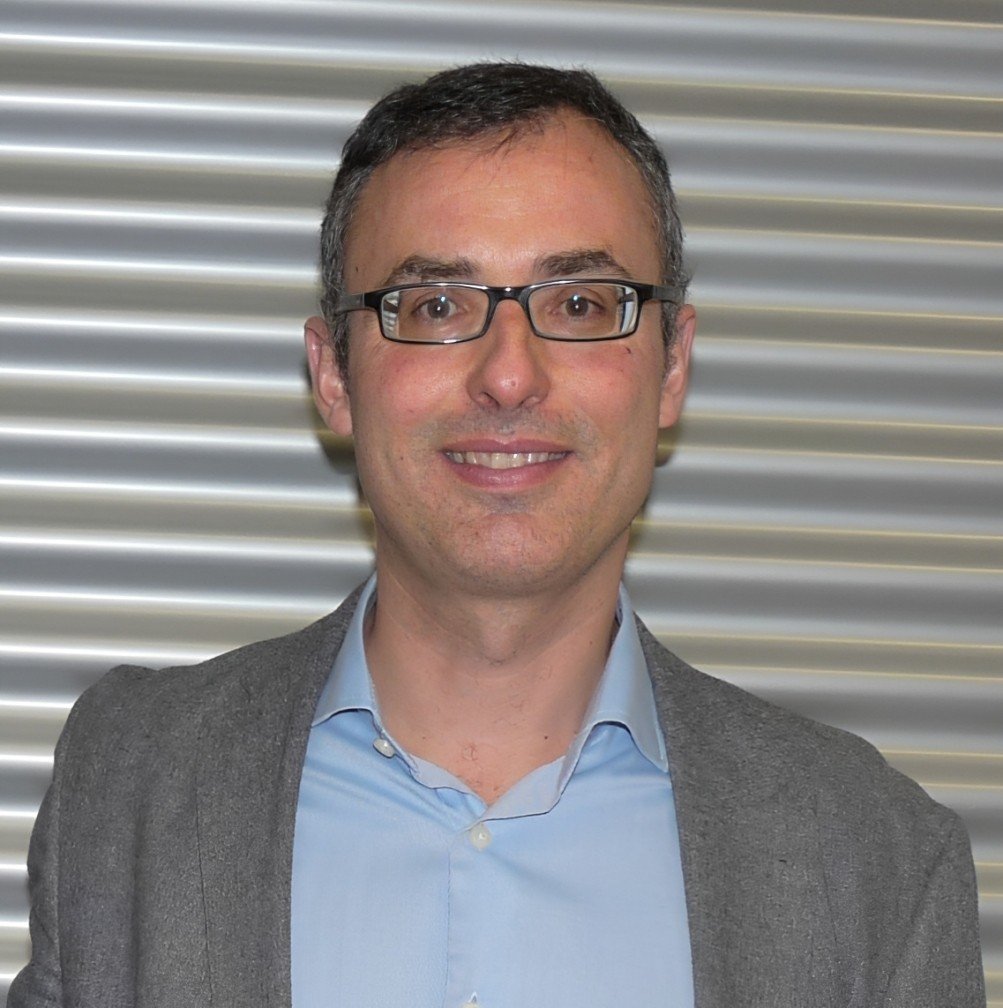
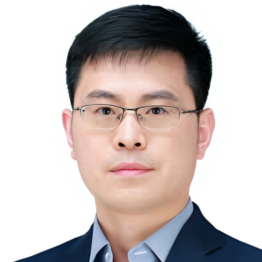
Feng Jinkui is a professor at the School of Materials Science and Engineering, Shandong University, primarily engaged in research on energy storage materials. He has published over 300 SCI papers in journals such as Prog. Mater. Sci., Adv. Mater., and Energy Environ. Sci., with more than 25,000 citations and an H-index of 93. He has been named a Highly Cited Researcher (2022–2025), listed in the ScholarGPS top 0.05% of scientists, and included in the Stanford Top 2% of Scientists Lifetime Impact List. He serves as an editorial board member for Scientific Reports (published by Nature Portfolio), Energy Materials, Batteries, and ChemPhysMater et al. He is also a youth editorial board member for Nano-Micro Letters, Nano Research, Journal of Materials Science & Technology, and Rare Metals.
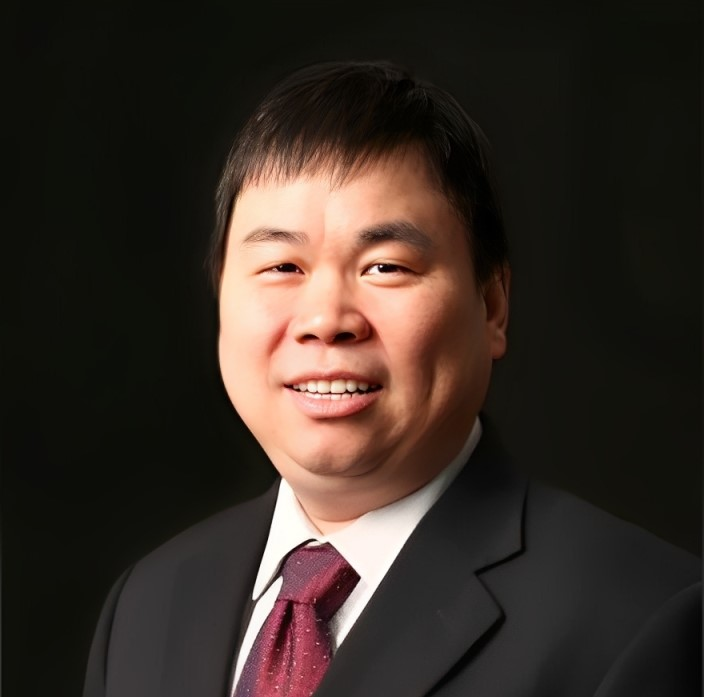
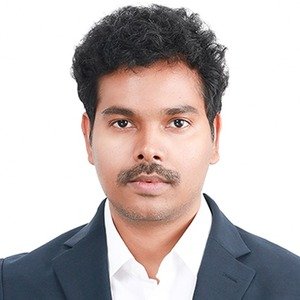
Prof. Zhang obtained a Bachelor's degree in Chemical Engineering and Technology from China University of Petroleum (Beijing) in 2009, and a PhD in Chemical Engineering and Technology from Tsinghua University in 2014. The he became a postdoctoral fellow in the Department of Materials Science at Stanford University from November 2014 to December 2017. From 2018, he has been working for the Department of Chemical Engineering at Tsinghua University. Now he is a tenure-tracked associate professor. Prof. Zhang’ research mainly includes the controllable synthesis and application of nanocarbon materials and functional nanomaterials. He also serves as the editorial board member for Coating, SusMat, Carbon Future, Carbon Energy, Carbon Neutralization, Particulology, and Exploration. He has published 113 papers in internationally renowned journals such as Science, Nature Nanotechnology, Nature Sustainability, Science Advances, Nature Communications, Chemical Society Reviews, Journal of American Chemical Society, Advanced Materials, Nano Letters, ACS Nano, etc. He has also been filed 16 invention patents. He published 6 books. Prof. Zhang has won the Hou Debang Chemical Science and Technology Youth Award (2019), the Youth Chemistry Award from the Chinese Chemical Society (2018), the "35 Under 35 Science and Technology Innovators" award in the 2018 MIT Technology Review China region (2018), the China New Science and Technology Figure award (2018), the National Excellent Young Scholar Award for Metamaterials (2024), and the Future Chemical Scholar award (2024) Outstanding Contribution Award for Young Editorial Board Members of SusMat Journal (2022), Outstanding Teacher Award for Online Teaching in the Spring Semester of 2020 at Tsinghua University (2020), Selected for the 2019 International Chemical Periodic Table Year's "Chinese Young Chemists' Periodic Table" (2019), First Prize of Natural Science Award of the Ministry of Education (2016), Tsinghua Friends Liu Shuli Talent Cultivation Award (2021), Swiss Chorafas Young Research Award (2015), Ministry of Education Doctoral Student Academic Newcomer Award (2012), Tsinghua University Graduate Special Scholarship (2013), Tsinghua University Graduate Student Academic Newcomer (2014) and other awards.